Nursing kittens provides purpose for care home residents with dementia
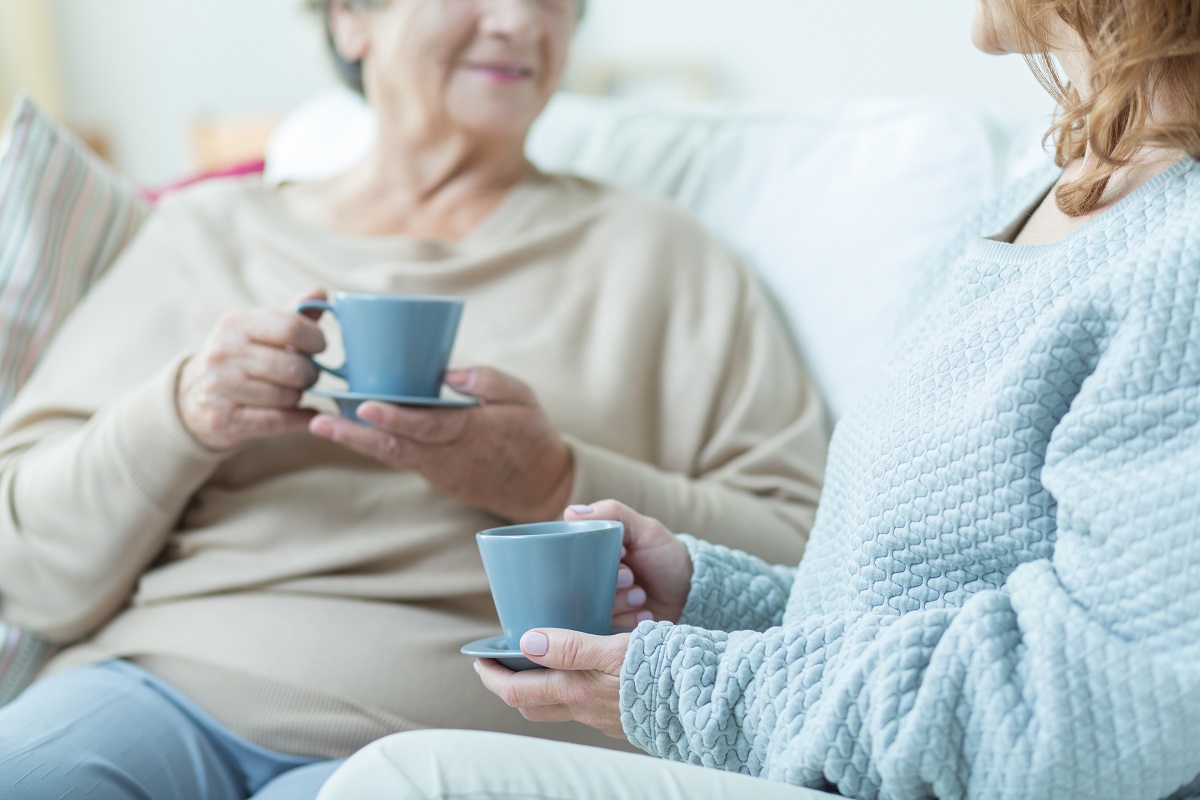
An animal rescue centre and a dementia care home in the US have come together to form an unlikely alliance that’s benefiting both their residentsWhen staff at the Pima Animal Care Centre in Tucson, Arizona, realised they lacked the resources to be able to provide round-the-clock care needed for two abandoned kittens, they had the idea of joining up with nearby Catalina Springs Memory Care, a senior living facility that specialises in people with dementia.The residents of the home help to bottle-feed the tiny kittens, who need feeds every couple of hours, and the activity provides comfort, joy and a purpose to them.It’s had remarkable results. The first kittens to come through their doors – named Peaches and Turtle – have doubled their weight from a tiny 7oz and are now on the mend. But an added bonus is that the kitten care has brought out a nurturing instinct and even helped to prompt memories in many of the residents which has been extremely beneficial for them.
‘To some, it may seem peculiar at first, residents who are in need of around-the-clock care themselves, given the task to care for these young kittens,’ said Sharon Mercer, the retirement home’s executive director.‘But there are skills, emotions, and needs that do not leave a person with dementia or Alzheimer’s. The desire to give love and receive love remains. The kittens have given us the opportunity to nurture this human condition that lies in each and every one of our residents.’
The idea came about because Rebecca Hamilton, the health service director at Catalina Springs, was also a kitten fosterer for Pima Animal Care Centre. She thought having the residents at Catalina Springs look after them might be a mutually beneficial program.‘We have some residents who are chronically searching, chronically looking for something that is familiar, something that holds meaning to them,’ says Rebecca.‘We can place one of the kittens in their hands, and suddenly they’re not searching, they’re not stressed. They [seem to] recognize them as babies, and the human instinct to nurture just kicks in automatically.‘We have noticed that [in] interacting with the kittens, we have residents who struggled with putting complete sentences together, or struggled to find words, could all of a sudden communicate. They could look at you and say, “This kitten is hungry” or “I love this little baby.”’
The effects tie in with the well-established practice of pet therapy, which sees animals such as dogs, rabbits and even chickens being used to help someone with dementia feel calm and focused. It provides a way of improving quality of life for people in assisted living and giving them a renewed sense purpose. Alzheimer’s and dementia may be incurable, but that doesn’t mean life ends with a diagnosis. Even a tiny, mewling ball of fluff can be enough to make life a little better, as these pictures show.Source: yahoo.com and upworthy.comSaveSaveSaveSave
Our Resources by Our Experts
Want to learn more about all things care industry? Check out our blog!

Meet the West Midlands AI Coaches Supporting International Care Workers
A new AI coaching platform is supporting international care workers in the West Midlands - offering personalised guidance on jobs, training, housing, wellbeing and community life.

Why Every Care Provider with a Sponsorship Licence Needs a Compliance Audit Right Now
Lewy body and Parkinson’s dementia frequently misdiagnosed
Professors from King’s College London claim these two lesser-known dementias need greater recognition so patients aren’t given inappropriate medicines