New initiative to provide compassion and care at the end of life

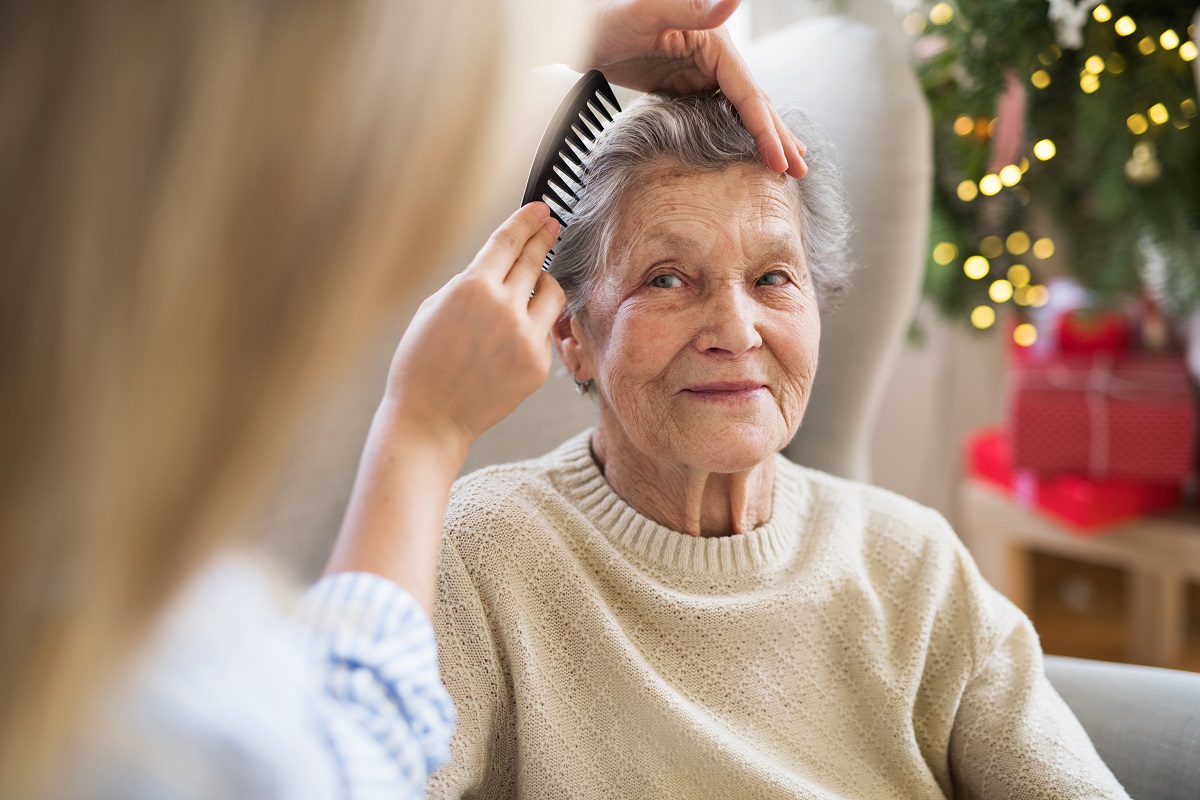
The new approach is designed to improve the care given to people with advanced dementia A care package described as ‘novel and innovative’ could soon transform the way care home residents with dementia are treated in the final stages of life.Around 70 per cent of people living in residential homes have a form of dementia, but their care needs vary widely and are often fragmented and misunderstood. This can lead to inadequate management of symptoms, such as pain, says researchers at University College London who have devised the new approach, with funding from the charity Marie Curie.‘Although lots has been written about shortcomings in the care of people with dementia, there is little evidence-based research on how it can improve,’ says Dr Louise Johns from the Marie Curie Palliative Care Research Department. ‘We wanted, therefore, to design an intervention that could positively impact on practise and policy.’After three years of extensive study, the team came up with The COMPASSION Intervention, which recommends a multi-disciplinary, ‘joined-up’ approach to end of life care, including sensitive training and support for both paid and unpaid carers.‘This is an area of research that is vital but significantly underfunded,’ says Scott Sinclair, Head of Policy for Marie Curie. ‘We need to learn how to ensure the best quality of life for people with dementia at the end of life.’Tests and pilot studies of the scheme are ongoing.
Our Resources by Our Experts
Want to learn more about all things care industry? Check out our blog!

Meet the West Midlands AI Coaches Supporting International Care Workers
A new AI coaching platform is supporting international care workers in the West Midlands - offering personalised guidance on jobs, training, housing, wellbeing and community life.

Why Every Care Provider with a Sponsorship Licence Needs a Compliance Audit Right Now
Lewy body and Parkinson’s dementia frequently misdiagnosed
Professors from King’s College London claim these two lesser-known dementias need greater recognition so patients aren’t given inappropriate medicines