Scent + conversation = dementia connections
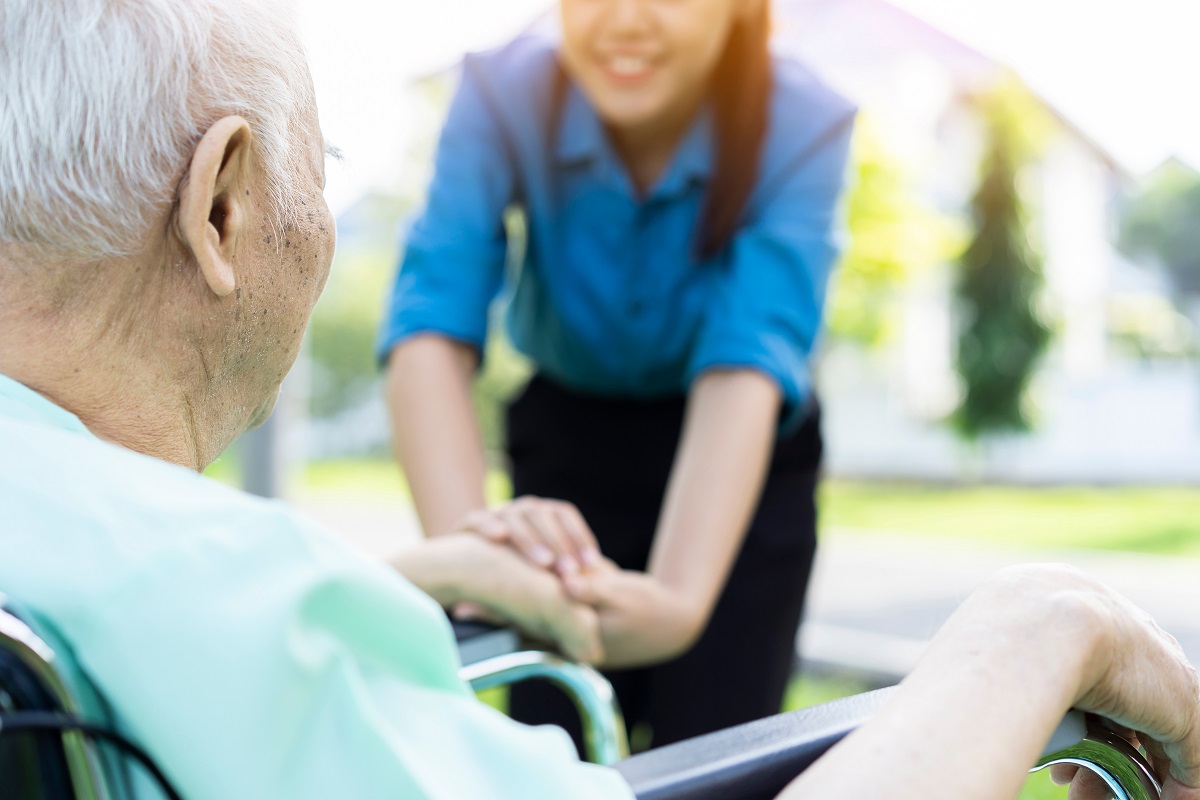
Linda Harman explains why teaming scent with conversation is so important for creating close relationships in dementia care.When verbal communication is difficult, other ways have to be found to convey feelings and promote understanding.I am not a naturally tactile person – but I have seen, through my own mother who had dementia, how the right body language and sensory stimulation can help people with dementia feel happier. Touch is reassuring; a touch of a hand, a stroke of the arm conveys a message of caring more powerfully than any words.And smell is intrinsically tied to memories of activities and places. The sense of smell can help unlock these memories. Just as a single whiff of an old fragrance can evoke memories of past liaisons, so the scent of Tomato Plant will bring back the feelings of satisfaction associated with growing your own vegetables.Both touch and smell are emotional senses; more than other senses they cue how we feel. Feelings are very important in dementia. As the facts unravel, feelings remain.Smell & Connect cards provide topics and conversation starters to talk about together. The cards require people to sit side-by-side, an act that, in itself, means that time is being taken to share, to listen to each other and to consider something together.Ultimately, it’s the connections that we make with those with dementia – however big or seemingly small – that really count.Children seem to grasp this innately, as do some adults. For me, it has been a journey of discovery that I share in the hope that it will help other people avoid the isolation that dementia too often entails.
Our Resources by Our Experts
Want to learn more about all things care industry? Check out our blog!

Meet the West Midlands AI Coaches Supporting International Care Workers
A new AI coaching platform is supporting international care workers in the West Midlands - offering personalised guidance on jobs, training, housing, wellbeing and community life.

Why Every Care Provider with a Sponsorship Licence Needs a Compliance Audit Right Now
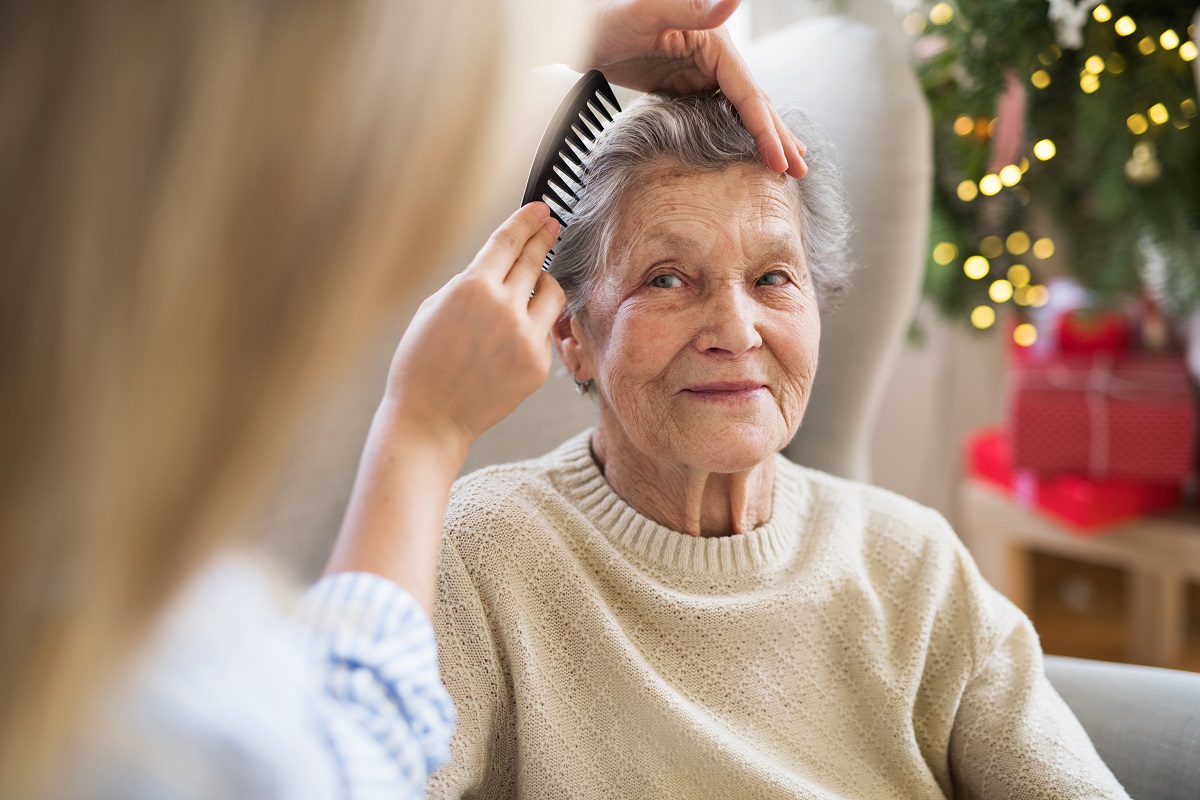
Lewy body and Parkinson’s dementia frequently misdiagnosed
Professors from King’s College London claim these two lesser-known dementias need greater recognition so patients aren’t given inappropriate medicines