How to maintain personal hygiene for someone with dementia

Help someone with dementia to feel clean and comfortable
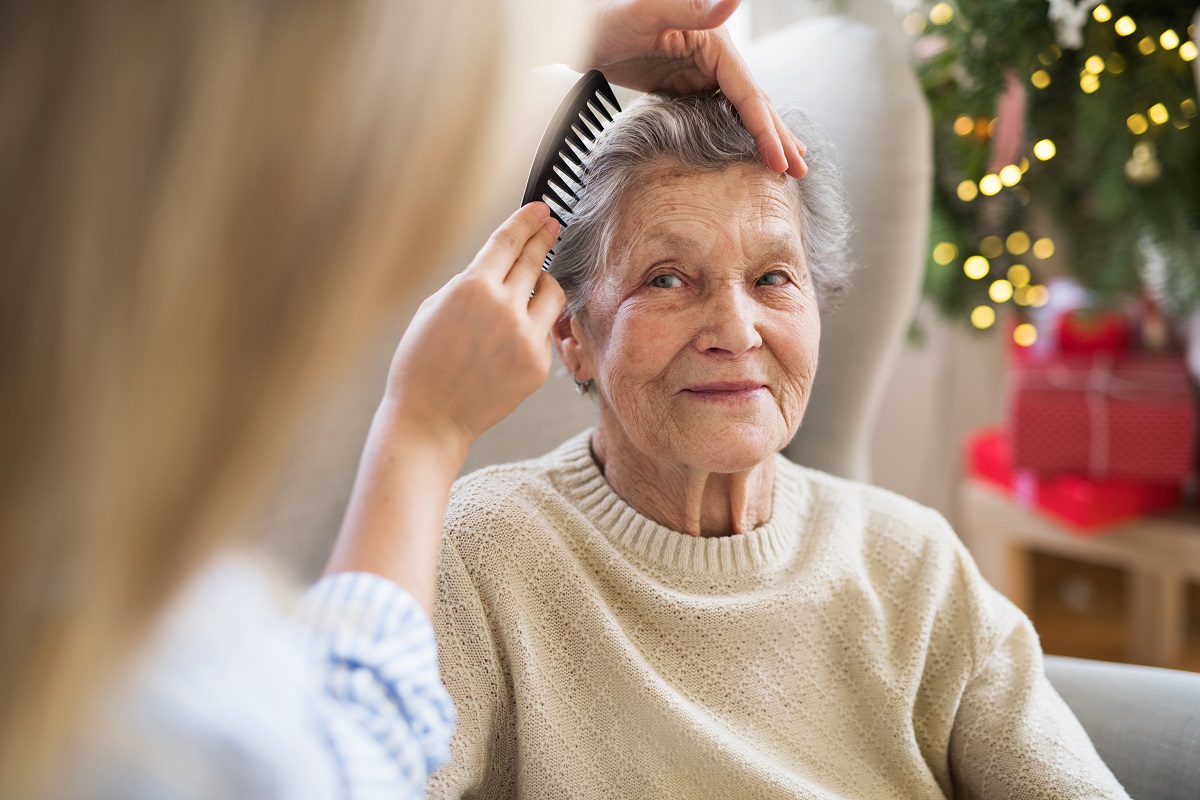
Helping the person you’re caring for with their personal hygiene, whilst also ensuring they keep their dignity, requires the utmost sensitivity and skill. But it isn’t impossible. Find out how it can be doneWashing, dressing and combing your hair – all activities that we would normally do without a second thought as part of our daily routine. But for someone with dementia, remembering to bathe or being able to brush our hair or shave can end up becoming an extra challenge to deal with.
Is this someone you know?
• You notice that they have been wearing the same outfit four days running.• They’ve got cuts on their face from shaving.• You can tell they haven’t washed for a while.• Someone who always used to be ‘well turned out’ is starting to look quite dishevelled.
Why is it happening?
Alzheimer’s disease and other causes of dementia can mean someone could forget to wash or change their clothes regularly. They may not remember that they wore the exact same outfit yesterday, and the day before that, or whether or not they had a shower yesterday.They may also be suffering from mobility problems which could affect their ability to get into or out of baths or showers, or put items of clothing on.
What can you do?
Talking to them about this isn’t the easiest of conversations. They may be embarrassed that they’re unable to cope, particularly with something like washing and bathing, which is such a personal activity.If you think that simply highlighting the issues could cause more hassle than it’s worth, you could try approaching it differently. For example, making it sound as if you want to ‘treat’ them and make them feel pampered. Offering to run them a lovely bubble bath or take them to the hairdressers (or book a mobile hairdresser) might go down far better than an awkward conversation.You may want to get some products to help with bathing and items that can make the process safer and easier, such as steps, seats or hoists. You should also, of course, think about ways to maintain dignity while bathing so it doesn’t have to become traumatic for either of you.When helping someone to dress, they may need advice on the best clothes to wear for the weather or guidance on where they can find different items of clothing with labelling or signage on cupboards and drawers.If using the toilet or incontinence has become an issue, it can have an impact on personal hygiene, so you may need to think about ways to make this easier or more straightforward.Other areas to think about include looking after teeth, ear care and nail care – all of which can fall by the wayside for someone with dementia.Ultimately, personal hygiene is a vital part of dementia care because it is integral to the sense of identity of someone with dementia, as well as being a key part in ensuring their comfort. Taking steps to maintain it is important for ensuring a good quality of life for them.
Our Resources by Our Experts
Want to learn more about all things care industry? Check out our blog!

Meet the West Midlands AI Coaches Supporting International Care Workers
A new AI coaching platform is supporting international care workers in the West Midlands - offering personalised guidance on jobs, training, housing, wellbeing and community life.

Why Every Care Provider with a Sponsorship Licence Needs a Compliance Audit Right Now
Lewy body and Parkinson’s dementia frequently misdiagnosed
Professors from King’s College London claim these two lesser-known dementias need greater recognition so patients aren’t given inappropriate medicines