Mary was wonderful, it was an honour to be her carer
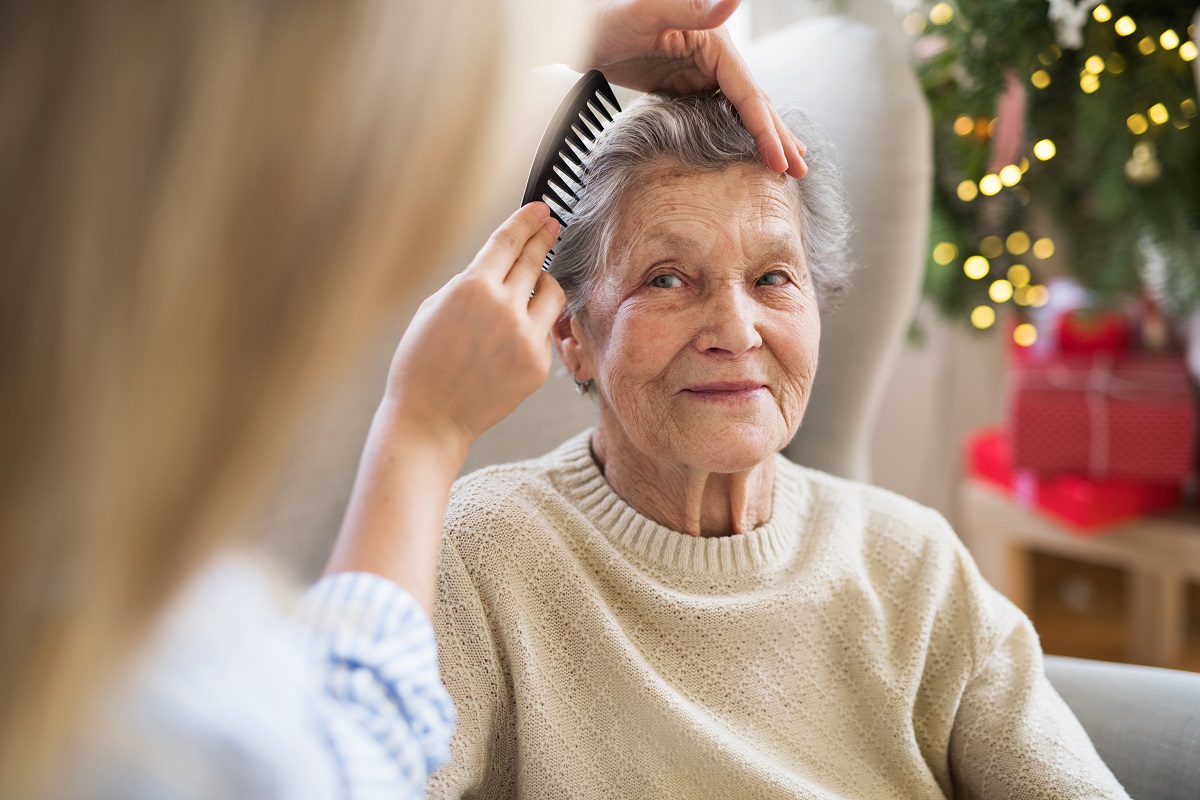
Becky Young was a professional carer, specialising in dementia care, for 15 years. Here, she talks honestly about her work – and one of her favourite clients.I want to start by just getting something out in the open. Carers have favourites and we get emotionally attached to our service users. We’re not supposed to, but there it is. Of course, we must always uphold our professional boundaries and offer the same level of care to all people, but it’s impossible to remain entirely impartial on a personal level. We’re working with people, some you like, some you don’t and some you inevitably grow to love.I want to tell you about my friend Mary, who I really loved.When I started working as a home care assistant for Country Court Care, I already had 12 years’ experience working in the care sector. So I was well aware that just like in every area of life, sometimes I ran into somebody really very special in my work. The very first morning I met Mary, I knew she was one of those.Mary had dementia, but she just had such a cheerful way about her. Sometimes she struggled to form a sentence and I had to try and decipher what it was she was trying to tell me, but despite that she always communicated compassion. Loveliness just oozed out of this woman’s pores. She had delightfully kind eyes, a warm smile and a gentle way about her. She loved to laugh . . . and dance. We danced every morning.I saw Mary for a quick visit four times a day, but mornings were our favourites. When I arrived Mary had always dressed herself and I just needed to check she’d done it all alright. We’d throw on Mary’s favourite, Jim Reeves, and have a little dance and a laugh for a while, before I’d get Mary her breakfast. I’d leave her happily tapping away to Jim every morning, whilst tucking in to her toast.I think another reason I loved Mary so much, was watching how incredibly well her daughter cared for her. It can be difficult for families to process what is happening to their family member and not only that, but to care for somebody with dementia is really difficult – emotionally and physically exhausting. People are so busy now, that there just isn’t time.But Mary’s daughter made time. She had a full time job, plus children and grandchildren, but she came to see Mary every single day after work, had dinner with her, gave her a shower and got her ready for bed. At weekends she’d take her for longer outings. Every night when I’d arrive to help Mary to bed there’d be a note there from her daughter telling us all about Mary’s day, what she’d been up to and how she’d been. She never wanted for anything. Her clothes were immaculate, her hair always done, her cupboards always stocked. It made me wonder at the amazing mother that Mary must have been, to have raised somebody who wanted to care for her so impressively.I visited Mary for about a year, but during that time I saw her gradually start to decline. When I first met her she could dress and toilet herself and was quite happy pottering around her flat with us coming in and her daily visits from her daughter. But she got to the point where her clothes were always on wrong, or she’d forgotten to dress at all. She began having toileting accidents and was unable to clean herself up properly, which she’d get sad and embarrassed about. She began to do things that could be dangerous, like plugging in the curling tongs and leaving them switched on. And worst of all, Mary became frightened. We had to take down all the mirrors, because they made her think somebody else was in the flat and she couldn’t watch TV anymore, because she didn’t like the voices. Sometimes Mary would cry and we couldn’t work out why, and when I came to help her to bed at night, she’d beg me not to leave.It was heart breaking, even for me who’d only known her a short time, to watch Mary deteriorate in this way. So I couldn’t imagine how difficult it was for her daughter, who quite clearly loved her so very deeply. Eventually, her daughter made the very difficult decision that Mary was no longer safe or happy living on her own and it was time for her to make the move into a care home. Her daughter told me it was the hardest thing she’d ever had to do, but of course, she chose the best of the best and intended to continue to visit Mary as much as she ever had.The last time I visited Mary, I could not stop the tears from flowing. She knew too, I think. Just something about the way she looked at me and how she hugged me just a little bit tighter before I left. Mary always said thank you for helping her, but on that day it just seemed to mean more. When I left the flat I absolutely broke down, I was just so sad that I wouldn’t be seeing her anymore and worried about her deteriorating further.It is three years since Mary moved into a care home and I still think about her often. Sometimes people just come into your life and touch your heart. Dementia may have robbed Mary of many things, but it could never take away the essence of her. Her beautiful soul shone through her condition and it was an absolute honour to be a part of her life, even for a moment, and to be able to bring her some comfort as her dementia began to take hold.
Our Resources by Our Experts
Want to learn more about all things care industry? Check out our blog!

Meet the West Midlands AI Coaches Supporting International Care Workers
A new AI coaching platform is supporting international care workers in the West Midlands - offering personalised guidance on jobs, training, housing, wellbeing and community life.

Why Every Care Provider with a Sponsorship Licence Needs a Compliance Audit Right Now
Lewy body and Parkinson’s dementia frequently misdiagnosed
Professors from King’s College London claim these two lesser-known dementias need greater recognition so patients aren’t given inappropriate medicines